Introduction to Premium Craftsmanship
Top tier furniture represents a perfect meeting point where visual beauty joins clear daily purpose. Buyers often seek items that look impressive while offering genuine comfort. Quality pieces achieve this balance effortlessly. Skilled artisans spend hours perfecting every joint and seam. Their dedication results in products that stand strong for generations. We see a growing trend where homeowners treat quality decor as a lasting investment rather than a temporary fix. These items do much more than fill a room. They support the body correctly and improve daily activities.
When you choose a handmade chair or a solid wood table you invite history and human skill into your home. Experts at the American Society of Interior Designers note that well made items improve daily comfort and reduce environmental waste. Mass produced goods often break quickly and end up in landfills. Conversely premium pieces age gracefully and build character. This article outlines exactly what makes quality decor worthwhile.

What Defines Genuine Craftsmanship
True craftsmanship relies heavily on exact details and superior materials. A master builder understands wood grain and selects individual boards that match perfectly. You can spot exceptional quality by checking the joints. Artisans use dovetail and mortise techniques instead of cheap staples or glue. These traditional methods create bonds that resist weight and movement over time.
Local workshops play a vital part in this industry. When you purchase from regional creators you support the local economy and reduce carbon footprints. Many independent builders source lumber right from nearby forests. They hand polish each surface using natural oils. This local focus ensures that every item receives individual attention. The result is a completely unique item that carries the story of its maker.
Consider the upholstery process. Experts spend years learning how to stretch fabric correctly over frames. They tie springs by hand to ensure even support padding. Leather workers select premium hides and stitch them with heavy duty thread. This careful process takes significant time but results in seating that never sags. Quality construction means the piece will feel exactly the same ten years from now as it does today.
Selecting Materials for Maximum Longevity
The foundation of any great item is its raw material. Builders prefer solid hardwoods like walnut, oak, and cherry. These woods resist dents and hold their shape through changing seasons. To ensure environmental responsibility many creators only use wood certified by the Forest Stewardship Council. This certification guarantees that the wood comes from responsibly managed forests that provide environmental social and economic benefits.
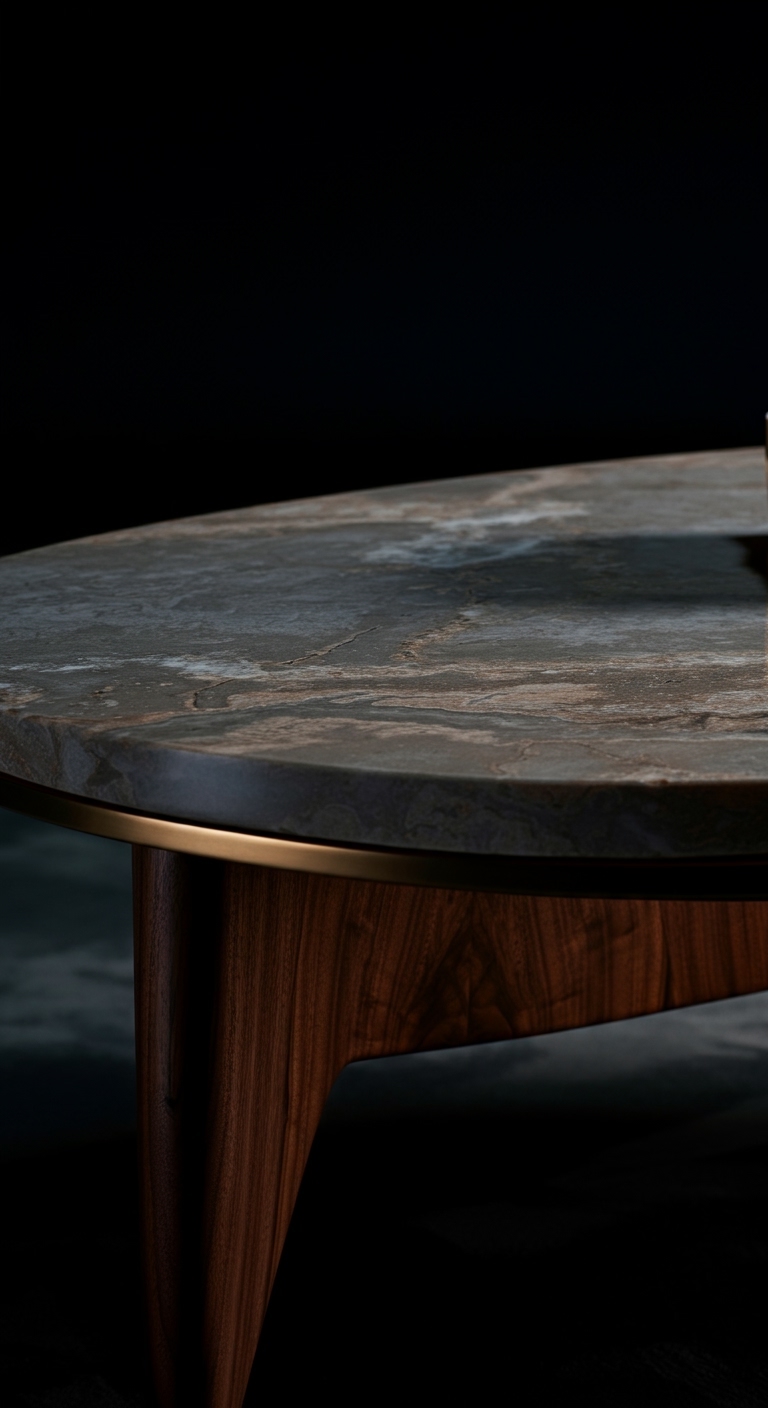
Natural stone is another popular choice for premium tabletops. Marble granite and quartzite offer incredible durability and unique patterns. No two slabs of natural stone look exactly alike. This uniqueness guarantees that your table is truly one of a kind. Metal accents often feature solid brass copper or stainless steel. These metals resist rust and develop beautiful natural finishes as they age.
Fabric choices matter just as much as the frame. Luxury builders use natural fibers like linen wool and top grain leather. These materials breathe well and regulate temperature naturally. Wool naturally resists stains and repels water. Top grain leather develops a rich look over time while remaining incredibly strong. Choosing the right material ensures your furniture handles daily life without showing rapid wear.
Balancing Visual Beauty with Daily Needs
A beautiful chair fails if it causes back pain. Premium designers study human body mechanics extensively. They measure the ideal angles for supporting the spine and resting the arms. This science is called ergonomics. Proper ergonomics prevent fatigue and allow people to sit comfortably for hours. Designers shape wood and metal to follow the natural curves of the human form.
Space efficiency stands as another crucial design element. City apartments and smaller homes need items that serve multiple purposes. Clever designers create tables that expand smoothly or benches that hide storage compartments. They engineer sliding doors and hidden hinges that work perfectly every time. This smart engineering means you do not have to sacrifice style to gain practical living space.
The best designs solve everyday problems. Consider a well built media cabinet. It looks like a simple wooden box from the outside. However the inside features precise cutouts for cables adjustable shelves for equipment and ventilation slots to prevent electronics from overheating. The designer thought about the user first and built the aesthetic around the function.
Integrating Custom Pieces Into Living Spaces
Creating a beautiful room requires careful planning and spatial awareness. Placing a large premium item in a small room makes the space feel cramped. Conversely a small delicate piece disappears in a massive hall. The trick involves recognizing scale and proportion. Interior designers always measure thorough pathways before moving items into a house. People need adequate room to walk around objects without bumping into them.
Mixing different eras adds depth and interest to a room. You do not need to buy matching sets for everything in the house. A modern sofa pairs wonderfully with a vintage wooden table. This blended approach creates a collected look rather than an artificial showroom appearance. Designers suggest anchoring the room with one large statement item and building around it. This central item draws the eye and sets the tone for the entire area.
Lighting plays a massive role in displaying your premium items. Careful lighting highlights the grain of the wood and the texture of the fabric. Use warm light bulbs to enhance gold brass and rich wood tones. Place floor lamps near reading chairs to create functional and attractive zones. Correct lighting choices bring your carefully selected decor to life after the sun sets.
Popular Design Movements and Styles
Several major design movements continue to influence modern builders. Mid Century Modern remains extremely popular. This style focuses on clean lines gently curved angles and an emphasis on wooden materials. The designs remove unnecessary ornaments. Instead they let the shape and the material speak for themselves.
Scandinavian design shares similarities with Mid Century Modern but leans heavier toward cozy elements. Think light woods simple forms and warm textiles. The focus rests heavily on daily function and bringing light into the home. Scandinavian pieces fit easily into almost any room because of their simple and honest appearance.
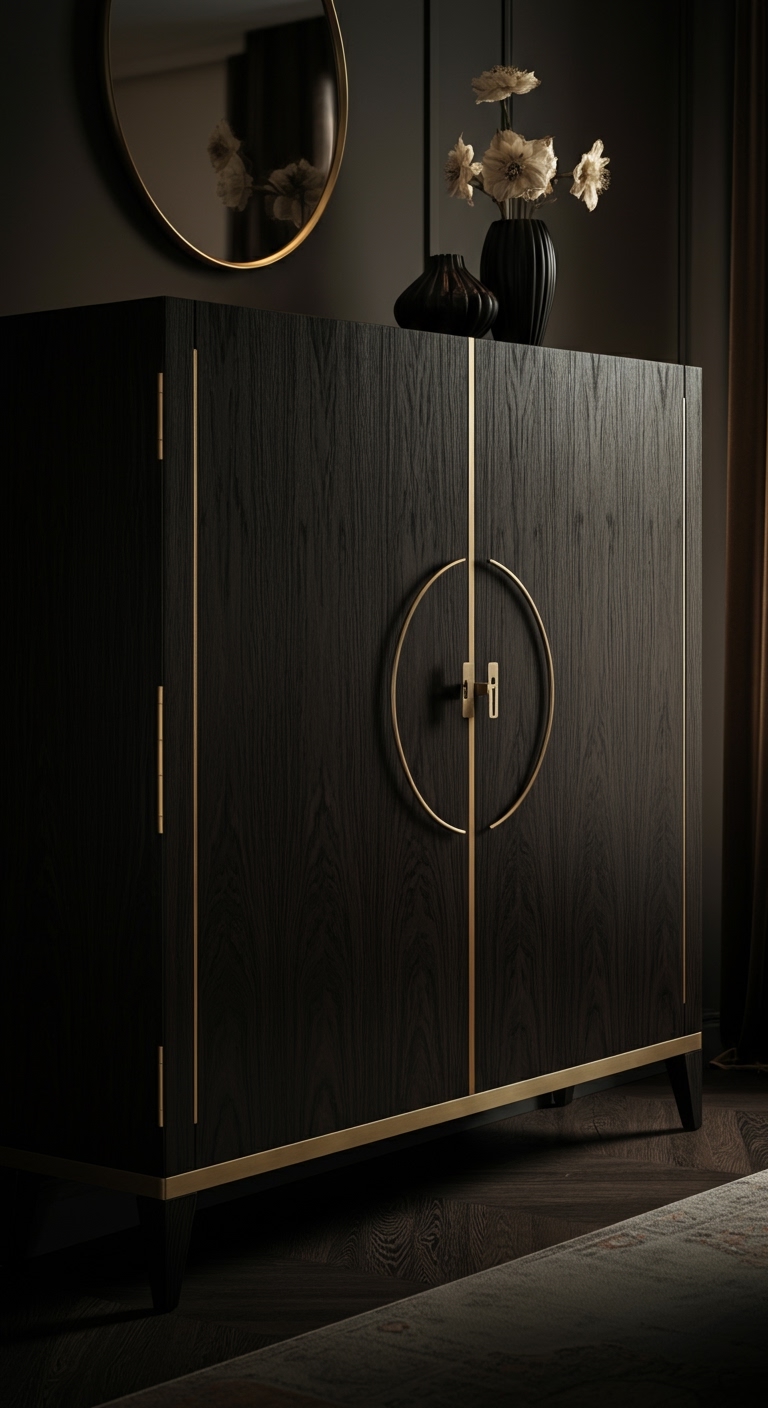
Art Deco offers a completely different approach. It features bold geometric shapes mirrored surfaces and luxurious materials like velvet and brass. Art Deco items demand attention and act as statement pieces in a room. Many modern designers mix Art Deco elements with simpler pieces to create balanced layered rooms.
The Role of Technology in Modern Craftsmanship
While traditional hand skills remain essential modern builders use new technology to improve accuracy. Advanced computer programs allow designers to test structural strength before making a single cut. They ensure that incredibly thin chair legs can support heavy weights without snapping. This software helps eliminate waste by calculating the exact materials needed.
Precision routing machines handle the heavy cutting work quickly and flawlessly. These machines cut wood fractions of a millimeter perfectly. However the machines only perform the initial shaping. The critical final steps always require human hands and eyes. A machine cannot feel a rough patch of grain or judge the perfect tension for an upholstery spring. Human judgment remains the most critical tool in the workshop.
Technology also helps track sustainability efforts closely. Buyers can scan codes on their new items to see exactly where the wood originated. They can read about the specific team that built their item. This transparency builds deep trust between the creator and the buyer. It verifies that the item truly meets high environmental and ethical standards. Technology supports human craftsmanship rather than replacing it.
The Financial Strategy of Buying Quality
Purchasing cheap furniture seems like a good deal initially. However these items often break within a few years. They use particle board that crumbles and weak joints that snap. The cost of replacing cheap items repeatedly quickly exceeds the price of buying one quality piece once. We call this the false economy of cheap goods.
Premium furniture retains value remarkably well. Vintage items from notable makers often appreciate in value. Collectors actively seek out original pieces constructed with authentic techniques. Even if an item does not become a collector piece its solid construction means you can sell it later for a reasonable price. Mass produced items hold virtually no resale value once you assemble them.
Furthermore quality items offer repair options. If a solid wood table gets scratched a professional can sand and refinish it. If a handmade chair needs new fabric an upholsterer can strip it down and rebuild it perfectly. Cheap items are generally impossible to repair and head straight to the trash dump when damaged.
Supporting Regional Builders and Artisans
Hyper local shopping provides immense benefits for the community. When you commission a piece from a craftsman in your region you keep money circulating in your local economy. You help skilled workers refine their craft and pass it down to younger generations. Many regional builders welcome clients to visit their workshops. You can see your piece coming together and smell the fresh sawdust.
Local builders also understand regional conditions better. If you live in an area with high humidity a local builder knows exactly which finish will protect the wood best. They avoid materials that crack in dry local winters. This specific knowledge ensures your item survives the particular challenges of your local climate.
Finally buying locally drastically cuts down on shipping distances. Heavy decor shipped across the ocean consumes massive amounts of fuel. Regional sourcing supports environmental sustainability and connects you directly to the person who poured their heart into creating your item.
Proper Care and Maintenance Techniques
Protecting your investment requires simple but consistent care. Dust wooden surfaces weekly with a soft dry cloth. Avoid commercial spray cleaners that contain harsh chemicals or silicone. These chemicals build up over time and create a cloudy film. Instead use a slightly damp cloth to wipe away spills immediately. Apply a natural beeswax polish twice a year to feed the wood and restore its deep shine.
Leather requires its own specific routine. Keep leather items away from direct sunlight and heat sources to prevent cracking. Wipe down the surface with a dry cloth regularly. Use a specialized leather conditioner every six months. Conditioning keeps the leather supple and helps it resist stains. Never use harsh soaps or saddle soap on delicate indoor leather furniture.
For natural stone always use coasters under glasses. Wipe up acidic liquids like wine or lemon juice immediately as they can etch the stone surface permanently. Clean stone tops with warm water and a tiny drop of dish soap. Avoid vinegar and acidic cleaners entirely. With these basic steps your premium pieces will look spectacular for decades.
Conclusion
Investing in quality furniture brings immense value beyond simple decoration. You bring genuine beauty and functional comfort into your daily routines. These items support accurate posture improve space efficiency and grow more beautiful as the years pass. By selecting skilled craftsmanship and sustainable materials you make a choice that benefits the environment and respects human skill. Take the time to find pieces you truly love. They will quietly improve your life every single day and remain treasured items for future generations.